By Izza Anwer, Houshmand Masoumi, Atif Bilal Aslamd, and Muhammad Asim

By Izza Anwer, Houshmand Masoumi, Atif Bilal Aslamd, and Muhammad Asim

by Melika Mehriar,
Similar papers:
Call for Papers: Special Issue
Theme: The Impact of COVID-19 on the transport and logistics management:
Lessons learnt and future imperatives.
This is an open invitation to contribute your latest research towards the special issue
The special issue will publish articles on the impact of the COVID-19 pandemic on
transport and logistics sectors. This is in line with the scope of the journal and is an
important contribution to the body of knowledge documenting the impact of a
pandemic on the two sectors.
Online submissions deadline: 28 January 2022
Guest Editors:
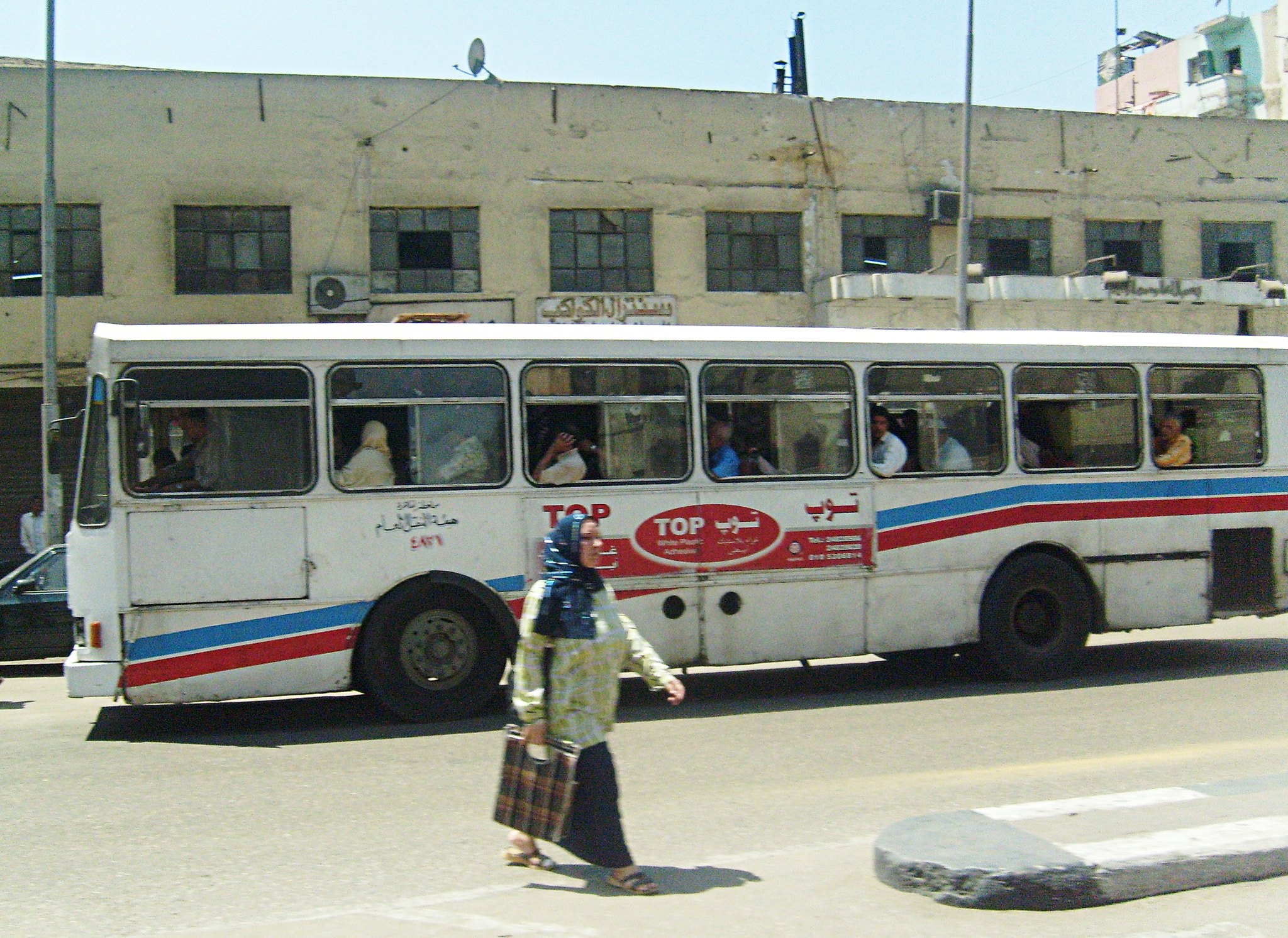
The present paper attempts to fill a part of the gap in the studies on residential location choices and their relations to urban mobility, socio-economics, and the built environment by presenting the results of a study on Alexandria, Egypt, by analysing the results of a survey in eight neighbourhoods undertaken in 2015. Four questions were answered in this study: (i) “How are the main drivers behind residential location choices in Alexandria connected to various socio-demographic groups or people with different availability to urban and built environments?”, (ii) “How are the main residential self-selections in Alexandria associated with one another and which are the most important?”, (iii) “How are the housing location-related decisions of Egyptians similar to or different from international decisions?”, and (iv) “How can planners and decision-makers use the knowledge produced by this study for urban planning and housing in Egypt?”. Library work and the results of a Χ2 test of independence show that availability of transportation modes, nice neighbourhoods, and affordability are the strongest motives behind decisions. However, socio-economic factors are generally stronger than urban mobility and spatial issues. These findings are partly different from those of high-income countries.
Read more about urban planning and transportation in the Middle East:
By Houshmand Masoumi, Martin van Rooijen, and Grzegorz Sierpiński
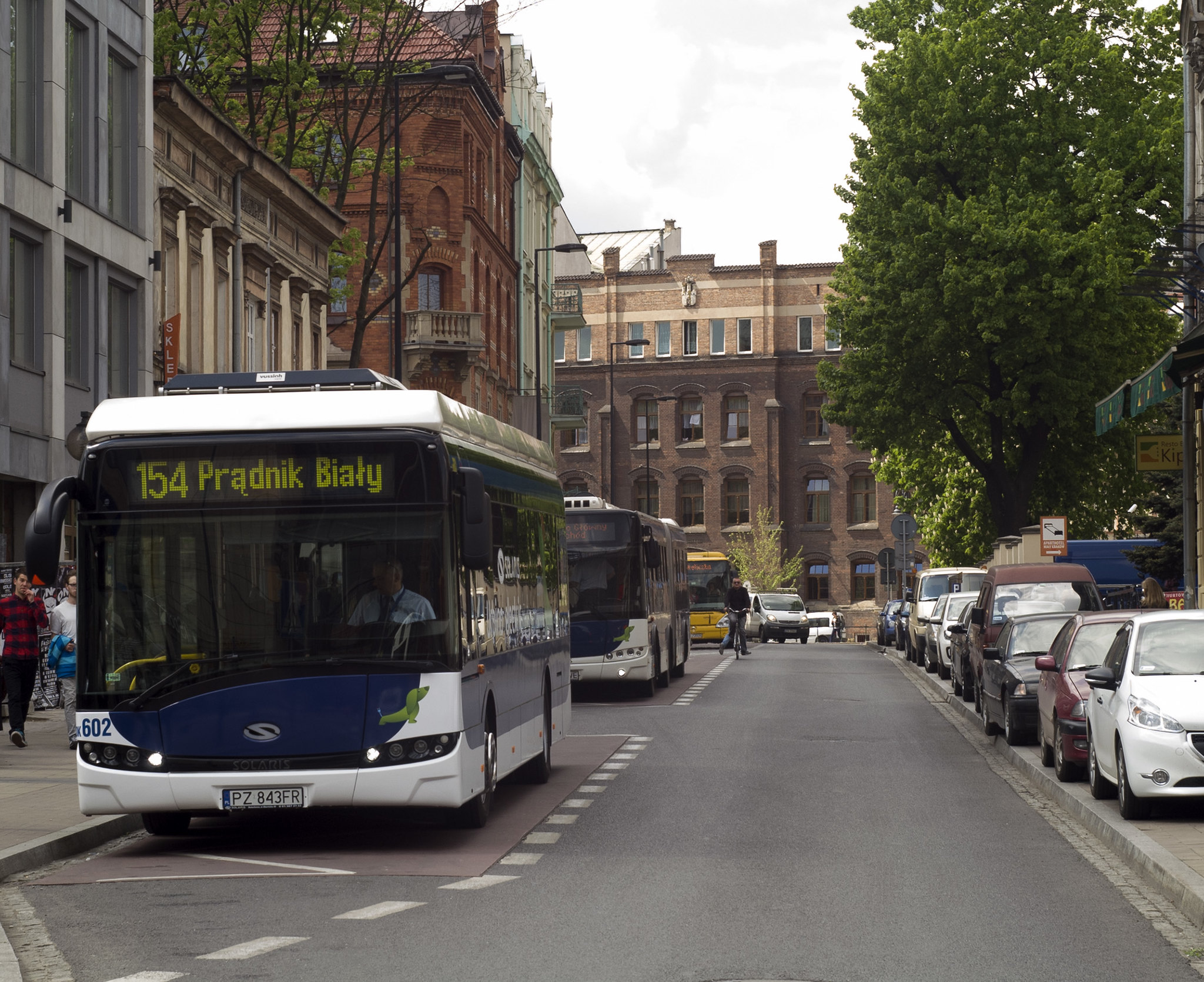
The determinants of children’s independent school mobility and the contextual discrepancies between these determinants have not been comprehensively investigated in previous studies. It is important to examine these determinants because independent school mobility is associated with children’s physical activity, according to the literature. This paper examined the associations of different groups of variables such as household, mobility, perceptions, and the built environment with independent school mobility of children between 9 and 12 years using a sample of 1304 girls (50.9%) and boys (49.1%) in seven European countries. The sample was analyzed by Multinomial Logistic Regression, Chi-square test of independence, and Proportional Reduction in Error methods. According to the findings, father’s and mother’s commute mode choice, child’s mode choice of commute to school, child’s bike ownership, parent’s perception of safety, parent’s evaluation of bike lane and sidewalk quality, child’s commute distance, number of driving licenses in the household, accessibility of public transport, and population density in the neighborhood and around the school proved to be very strong and significant determinants of children’s independent school mobility in the Europe-wide sample. The comparison of the levels of independent school mobility did not show any significant differences between high-income countries such as Germany, Italy, and the Netherlands, and emerging economies and developing countries like Poland, Greece, Turkey, and Croatia. However, a direct comparison between Poland (emerging economy) (33.6%) and the Netherlands (high-income) (31.7%) revealed significant differences in the level of independent school mobility. This study found the motives for this discrepancy due to the significant difference in bike ownership, the number of household members working outside the house, household size, commute distances of parents, and driving license possession.

More about sustainable transportation
By Melika Mehriar, Houshmand Masoumi, and Inmaculada Mohino
The present study aimed to investigate different socioeconomic factors as well as the perceptions and travel behaviors associated with urban sprawl in two cities of different sizes in Iran, as a developing country in the Middle East. Four Weighted Least Squares (WLS) regression models were developed for Hamedan and Nowshahr, as examples of large and small cities in Iran, respectively. The findings showed different correlations related to urban sprawl between Iranian cities and high-income countries in terms of socioeconomic and travel behavior determinants. Urban sprawl around home in Hamedan was positively correlated with the number of cars and driving licenses in households, the use of a private car for trips, and less use of public transport. Urban sprawl around homes in Nowshahr was related to an increased number of cars, the use of private cars for non-commuting trips, less sense of belonging to the neighborhood, and lower income. Additionally, urban sprawl around workplaces was correlated with main daily activity, number of non-commuting trips, mode of choice for non-commuting, and residential location choice in Hamedan a swell as monthly income, daily shopping area, frequency of public transport use, quality of recreational facilities, length of time for living in the current home, and commuting distance in Nowshahr.
More about urban planning and transportation in the Middle East:
By Hamid Mostofi, Houshmand Masoumi, andHans-Liudger Dienel
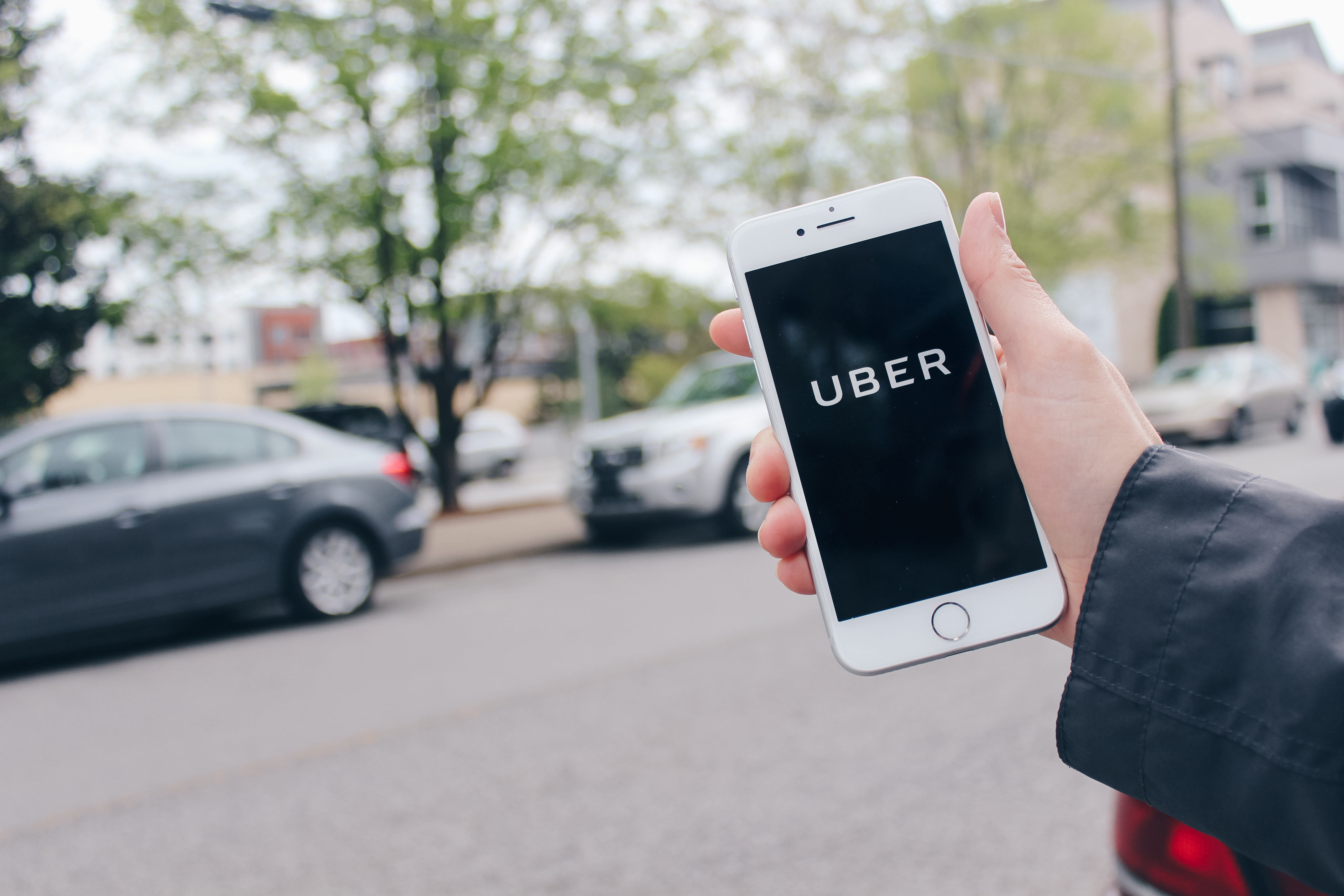
Despite the growing share of ridesourcing services in cities, there is limited research about their impacts on other transport mode choices in the large cities of the Middle East and North Africa (MENA). There is a debate about whether ridesourcing affects the frequent use of sustainable modes like public transport. This study uses the results of a large-scale series of face-to-face interviews in Tehran and Cairo to study the relationship between the regular use of ridesourcing and the frequency of public transport use. Descriptive statistics and logit regression are used to analyze this association. The findings indicate contradictory correlations between the regular use of ridesourcing and the frequent use of public transport in Tehran and Cairo. The regular use of ridesourcing has a positive correlation with the probability of frequent public transport use in Cairo. In contrast, this correlation is negative in Tehran, which means that the regular ridesourcing users are less likely than the non-regular users to use frequently public transport. The reasons for these different correlations are studied in terms of socioeconomic variables, accessibility, and the citizens’ perception of public transport in both cities.