Like Urban Research on Facebook

Monday, November 23, 2020

Urban Sprawl, Socioeconomic Features, and Travel Patterns in Middle East Countries: A Case Study in Iran

 By Melika Mehriar, Houshmand Masoumi, and Inmaculada Mohino


The present study aimed to investigate different socioeconomic factors as well as the perceptions and travel behaviors associated with urban sprawl in two cities of different sizes in Iran, as a developing country in the Middle East. Four Weighted Least Squares (WLS) regression models were developed for Hamedan and Nowshahr, as examples of large and small cities in Iran, respectively. The findings showed different correlations related to urban sprawl between Iranian cities and high-income countries in terms of socioeconomic and travel behavior determinants. Urban sprawl around home in Hamedan was positively correlated with the number of cars and driving licenses in households, the use of a private car for trips, and less use of public transport. Urban sprawl around homes in Nowshahr was related to an increased number of cars, the use of private cars for non-commuting trips, less sense of belonging to the neighborhood, and lower income. Additionally, urban sprawl around workplaces was correlated with main daily activity, number of non-commuting trips, mode of choice for non-commuting, and residential location choice in Hamedan a swell as monthly income, daily shopping area, frequency of public transport use, quality of recreational facilities, length of time for living in the current home, and commuting distance in Nowshahr.

Read more 


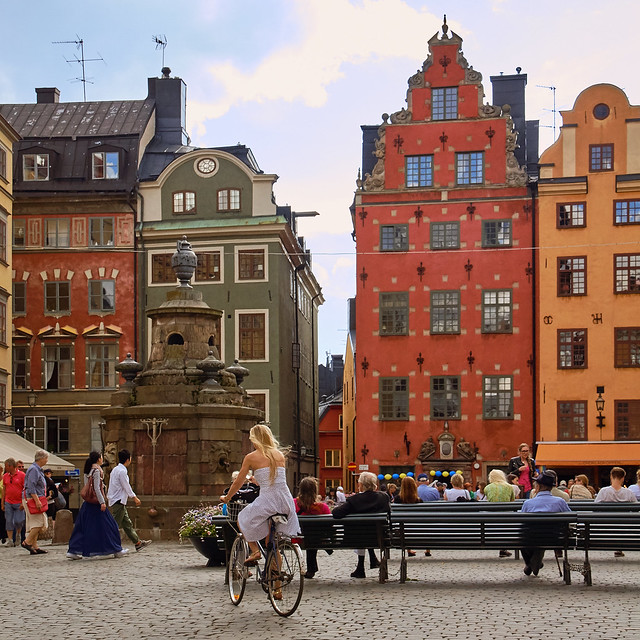
Noshahr - IRAN

More about urban planning and transportation in the Middle East:
The Relationship between Regular Use of Ridesourcing and Frequency of Public Transport Use in the MENA Region (Tehran and Cairo)

Sunday, October 4, 2020

The Relationship between Regular Use of Ridesourcing and Frequency of Public Transport Use in the MENA Region (Tehran and Cairo)

By Hamid Mostofi, Houshmand Masoumi, andHans-Liudger Dienel 

Despite the growing share of ridesourcing services in cities, there is limited research about their impacts on other transport mode choices in the large cities of the Middle East and North Africa (MENA). There is a debate about whether ridesourcing affects the frequent use of sustainable modes like public transport. This study uses the results of a large-scale series of face-to-face interviews in Tehran and Cairo to study the relationship between the regular use of ridesourcing and the frequency of public transport use. Descriptive statistics and logit regression are used to analyze this association. The findings indicate contradictory correlations between the regular use of ridesourcing and the frequent use of public transport in Tehran and Cairo. The regular use of ridesourcing has a positive correlation with the probability of frequent public transport use in Cairo. In contrast, this correlation is negative in Tehran, which means that the regular ridesourcing users are less likely than the non-regular users to use frequently public transport. The reasons for these different correlations are studied in terms of socioeconomic variables, accessibility, and the citizens’ perception of public transport in both cities.

Read More

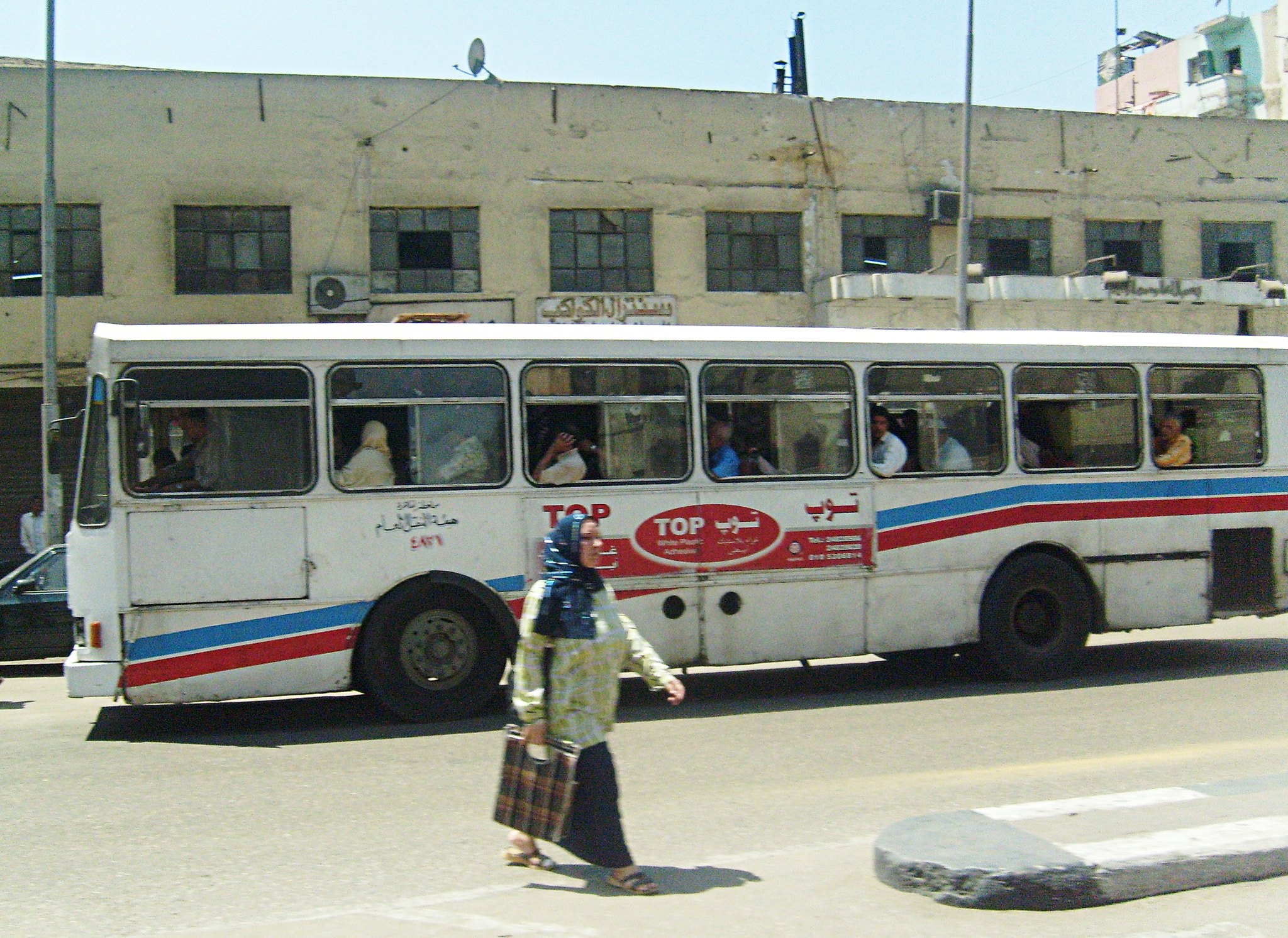
Bus

More about urban transportation in the Middle East:
Thursday, July 30, 2020

Correlations of Urban Sprawl with Transport Patterns and Socioeconomics of University Students in Cracow, Poland

  • By Melika Mehriar, 
  • Houshmand Masoumi, and 
  • Katarzyna Nosal Hoy


  • Urban sprawl is considered as a western urban development pattern, which is common in different cities around the world. Although a large number of studies have focused on urban sprawl, modeling urban sprawl has been less emphasized, especially in various geographical contexts. The present study aimed to investigate urban sprawl and its determinants in a post-socialist country and model urban sprawl based on disaggregated data. In addition, the correlations of urban sprawl with travel patterns were examined, along with the socioeconomic characteristics of university students in Krakow, Poland by applying the Weighted Least Square (WLS) regression model. The WLS regression model was fitted based on the data from 1288 online questionnaires targeting university students. Also, urban sprawl around the home and the university for each student who indicated the nearest intersection to their home and university were separately estimated by employing Shannon entropy. Based on the findings, urban sprawl around homes was correlated with 14 transport patterns and socioeconomic features such as gender, age, driving license, financial dependency status, gross monthly income, number of commute trips, mode of transportation for commuting, number of trips for shopping or entertainment, daily shopping area, mode choice for shopping and entertainment trips inside and outside the neighborhoods, frequency of public transport use, attractiveness of shops inside the neighborhoods, and the length of time living in current home. Furthermore, urban sprawl around the university was significantly correlated with age, car ownership, number of commute trips, and sense of belonging to neighborhoods, entertainment place, and residential location choice. Finally, a positive correlation was reported between urban sprawl with higher income, elderly student, financial dependent students, and car dependency trips, while urban sprawl was negatively related to the use of public transit.


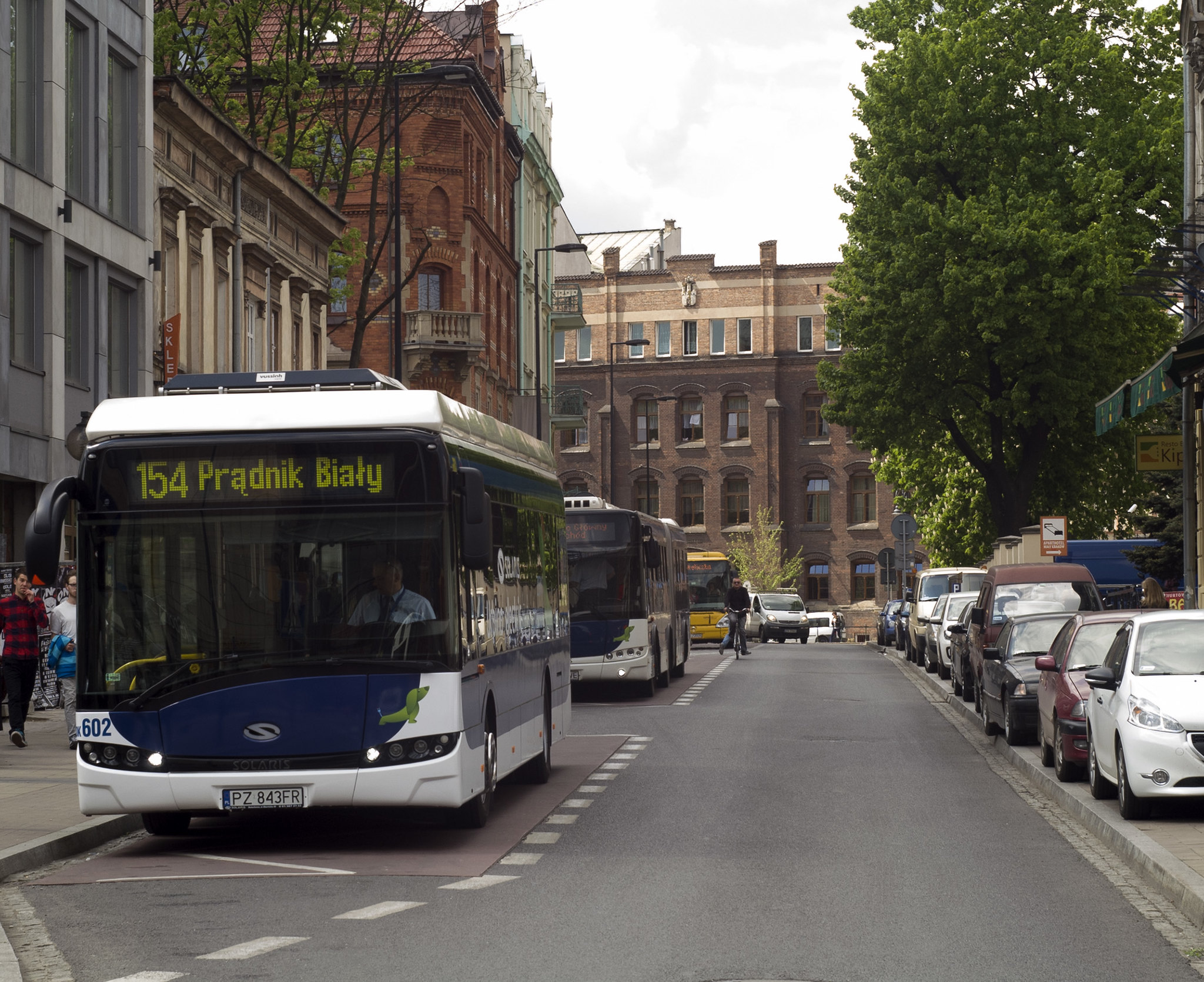
    Solaris Urbino 12 electric Krakow

    Read more about urban sprawl:

    Thursday, July 16, 2020

    The Association between Regular Use of Ridesourcing and Walking Mode Choice in Cairo and Tehran

    By Hamid Mostofi, Houshmand Masoumi, and Hans-Liudger Dienel

    The rapid adoption of ridesourcing poses challenges for researchers and policymakers in the Middle East and North Africa (MENA), as it is an evolving new transport mode, and there is little research explaining its effects on mobility behaviors in this region. There is a concern that ridesourcing, which offers convenient and relatively cheap door to door services, encourages citizens to replace their sustainable travel modes, like walking, with car use. This effect has been studied relatively well in metropolises of the West, but less in the MENA agglomerations. This paper investigates whether regular use of ridesourcing impacts the walking mode choice in Cairo and Tehran. The analysis uses the results of 4926 face-to-face interviews in these two cities to compare the preference for using a vehicle instead of walking between regular users of ridesourcing and other motorized modes, including public bus, urban transit rails, private car, and traditional taxi. The findings indicate that in Cairo, the regular ridesourcing users are more likely than regular users of public transport to use a vehicle instead of walking inside their neighborhood. However, in both cities, ridesourcing users are less likely than regular private car users to replace walking by using vehicles.

    Keywords: ridesourcing in the MENA region; walking mode choice; modal shift; the impact of ridesourcing on the nonmotorized mode


    uber

    More about urban planning and transportation in the Midde East:

    Economic Impacts of Adopting a Sustainable Transport System in Beirut


    Tuesday, September 10, 2019

    TRANSPORT POLICIES IN CENTRAL AND EASTERN EUROPE

    By John Pucher and Ralph Buehler

    The formerly socialist countries of Central and Eastern Europe have experienced profound political and economic changes since the demise of Communism in the late 1980s and early 1990s. Each country has its own particular history of transformation to a freer, more democratic, more market-based society. The timing and specific circumstances of the revolutions in each country vary. Even today, there are considerable differences among countries in the extent to which their political systems are fully democratic and how market-based their economies are. Thus, it is a bit risky to generalize about this group of diverse countries.
    Without exception, however, every formerly socialist country in Central and Eastern Europe has at least moved toward greater democracy and greater market orientation. In every country, that political economic shift has produced a corresponding transport revolution. The most obvious indicator of that revolution is the dramatic growth in levels of private car ownership and use, and a corresponding decline in public transport use. The modal shift in passenger transport is mirrored in most countries by similar changes in goods transport, with substantial shifts from publicly owned and operated rail transport to privately owned and operated trucking firms. While the increasing reliance on roadway transport had already started during the later years of the socialist era, the movement toward market-based capitalism greatly accelerated it, prompted by striking changes in government transport policies. Indeed, a key thesis of this overview is that policy changes were responsible for virtually all of the enormous changes observed in Central and Eastern Europe from 1988 through the 1990s, demonstrating how crucially policies affect every aspect of our transport systems.
    This review focuses on three Central European countries for detailed analysis: the Czech Republic, Hungary, and Poland. We also include the former East Germany, whose political, economic, social, and transport systems dramatically changed after German reunification in 1990. Those four formerly socialist countries have the most reliable long-term series of transport statistics, enabling better analysis of their transport systems, travel behavior, and policies. Moreover, they are typical of developments in other Central and Eastern European countries as well, with most transport trends being in the same direction even if the magnitudes vary from one country to another. This overview is limited mainly to urban passenger transport, although we briefly note developments in long-distance passenger travel and goods transport as well.


    Excellent

    More about transport policy:

    Healthy cities — walkability as a component of health-promoting urban planning and design

    Policies for Sustainable Accessibility and Mobility in Urban Areas of Africa

    Accessibility in Cities: Transport and Urban Form

    Sustainable Transport and Climate Change: Environmentally Experiences and lessons from community initiatives

    A REGIONAL ANALYSIS OF URBAN POPULATION AND TRANSPORT ENERGY CONSUMPTION

    A THEORETICAL APPROACH TO CAPABILITIES OF THE TRADITIONAL URBAN FORM IN PROMOTING SUSTAINABLE TRANSPORTATION

    Monday, September 9, 2019

    Urban travel characteristics in relation with jobs-housing balance and accessibility: results of a survey in Lahore, Pakistan

    By Sheikh Atif Bilal Aslam, Houshmand E. Masoumi, and Syed Arif Hussain

    The circumstances of the relations of jobs-housing balance and urban travel behavior are not clear in emerging and developing countries. There are limited reliable data suitable for testing the hypotheses regarding the associations of the neighborhood-level number of employment opportunities in these countries. This manuscript summarizes the results of an explorative survey undertaken in Lahore, Pakistan to support empirical analyses testing these hypotheses. The survey was undertaken in spring 2018 in six neighborhoods of Lahore and collected the data of 417 respondents. The short questionnaire applied in the survey facilitated generation of 15 individual and household, socioeconomic, and mobility-related variables of different types. Moreover, 9 land use variables as well as jobs-housing ratios were estimated for each respondent within his/her 600-meter street-network pedestrian shed. The produced dataset reveals preliminary descriptive statistics about the relations of employment and travel behavior, particularly commuting, in a less-studied context of Pakistan. It is found that a decent job-housing balance at neighborhood scale alone cannot affect the travel pattern much in the Pakistani context. It needs to be supplemented with other planning interventions, mainly the accessibility to an integrated and efficient mass public transportation system, discouraging private car based policies and promotion of sustainable non-motorized travel modes. In the future, production of disaggregate mobility and land use data will add value to urban transportation research in the Global South.
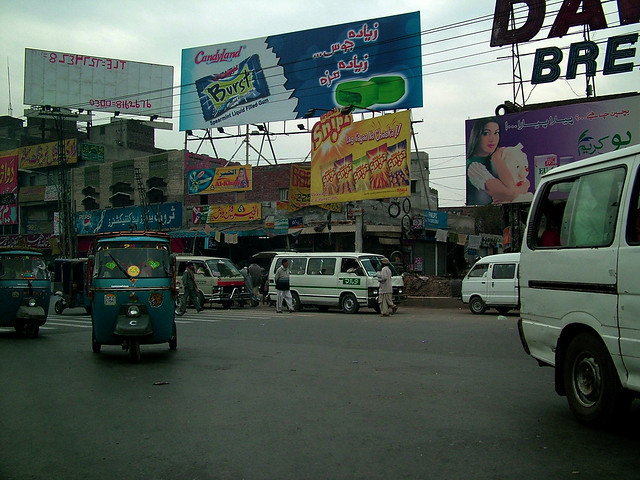
    Street of Lahore
    More papers about urban transportation in Asian cities:

    Friday, September 6, 2019

    Healthy cities — walkability as a component of health-promoting urban planning and design

    By Minh-Chau Tran

     Health impairments due to inactivity are related to the car-oriented urban development of recent decades, along with sedentary lifestyles. A health-maintaining environment must therefore not only reduce direct health risk factors (pathogenic concept), but also contribute to health chances that may indirectly support health (salutogenic concept). Walking has been identified as the most influenceable behavior; it is also the most environmental-friendly mode of transport, social and health. From the planning view, the concept of walkability therefore aims at a built environment facilitating physical activity. It is increasingly recognized that walkability has become an important topic in the field of planning, urban design and health, since the built environment affects certain behaviors. From practice, concrete guidance is demanded as to the type of urban design features to be captured or applied to evaluate the walkability or to create active cities. The measurement of features of the built environment plays a special role in this context, but also the question of how research results can reach policies as well as planning and building practice.


    Pedestrian Streets

    More about walkability:

    Active Mobility: Bringing Together Transport Planning, Urban Planning, and Public Health

    Thursday, September 5, 2019

    Active Mobility: Bringing Together Transport Planning, Urban Planning, and Public Health

    By Caroline Koszowski, Regine Gerike, Stefan Hubrich, Thomas Götschi, Maria Pohle1, Rico Wittwer

    Active mobility is related to various positive effects and is promoted in urban planning, transport planning, and in public health. The goals of these three disciplines differ in many respects but have a strong overlap in the ambition to foster active mobility. Until now, efforts for strengthening active mobility have typically not been combined, but rather promoted separately within each discipline. This paper presents a review of research on determinants and impacts of active mobility and of policy measures for supporting active mobility, including the three disciplines of transport planning, urban planning, and public health. The paper further shows the different perspectives and ambitions of the three disciplines and, simultaneously, the substantial synergies that can be gained from an interdisciplinary collaboration in research and practice. 


    Wednesday, September 4, 2019

    Cyclability in Lahore, Pakistan: Looking into Potential for Greener Urban Traveling


  • By 
  • Sheikh Atif Bilal Aslam, 
  • Houshmand E. Masoumi, 
  • Muhammad Asim, 
  • Izza Anwer


  • Measuring perceived or objective cyclability or bikeability has drawn less attention compared to walkability, particularly in developing countries like those in South Asia and the Middle East. This paper presents the results of a survey about cyclability in Lahore, Pakistan, focusing on human perceptions rather than the built environment. The overall sample included a total of 379 respondents from three socio-economic classes: those from lower socio-economic backgrounds accessing traditional/older bazaars, respondents from the middle socio-economic class accessing uptown bazaars, and respondents of higher socio-economic status accessing pedestrian shopping malls. The exploratory data collection was conducted in spring 2018 in Lahore by means of a short standard questionnaire with 19 questions, resulting in 17 categorical/dummy variables, two open-ended variables, and two continuous variables targeting socio-economics, bike trip characteristics, biking barriers, and preferred travel specifications. The results showed that the middle socio-economic group was more inclined, flexible, and willing to bike compared to the lower and higher socio-economic-groups. The lower socio-economic group used the bicycle more frequently than the middle socio-economic group. Around half of the middle socio-economic group commutes via bike compared to the lower socio-economic group. There was little to no representation of 55-64 and 65+ age groups in the data. The descriptive findings of this survey indicate some preliminary signs of differences of decisions and perceptions about biking compared to high-income and European countries. These differences need to be tested in future statistical analyses.


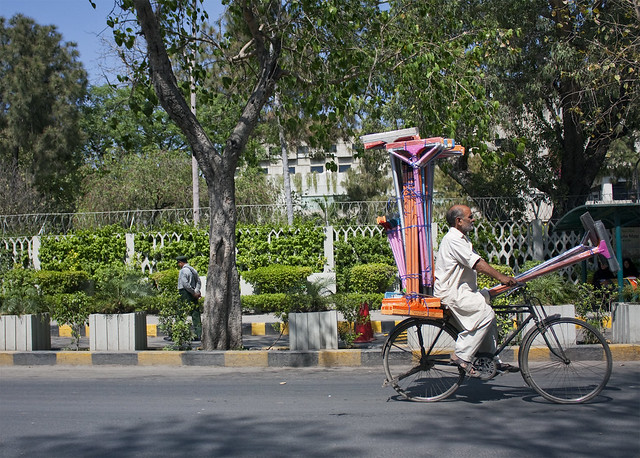
  • Squeegies for sale

    More about Asian cities:

    Facilitating Urban Management Through Local SDI Case Study: The Municipality of Tehran

    Tuesday, September 3, 2019

    Monitoring Urban Sprawl and Sustainable Urban Development Using the Moran Index: A Case Study of Stellenbosch, South Africa

    By Walter Musakwa and Adriaan van Niekerk

    The management of urban sprawl is fundamental to achieving sustainable urban development. Monitoring urban sprawl is, however, challenging. This study proposes the use of two spatial statistics, namely global Moran and local Moran to identify statistically significant urban sprawl hot and cold spots. The findings reveal that the Moran indexes are sensitive to the distance band spatial weight matrices employed and that multiple bands should be used when these indexes are used. The authors demonstrate how the indexes can be used in combination with various visualisation methods to support planning decisions.


    Monday, September 2, 2019

    Urban Sustainability and Resilience: From Theory to Practice

    By Patricia Romero-Lankao, Daniel M. Gnatz, Olga Wilhelmi, and Mary Hayden

    Urbanization and urban areas are profoundly altering the relationship between society and the environment, and affecting cities’ sustainability and resilience in complex ways at alarming rates. Over the last decades, sustainability and resilience have become key concepts aimed at understanding existing urban dynamics and responding to the challenges of creating livable urban futures. Sustainability and resilience have also moved and are now core analytic and normative concepts for many scholars, transnational networks and urban communities of practice. Yet, even with this elevated scholarly attention, strategies for bridging between research and practice remain elusive, and efforts to understand and affect change towards more sustainable and resilient urban centers have often fallen short. This paper seeks to synthesize, from this issue’s papers and other strands of literature, the knowledge, theory and practice of urban sustainability and resilience. Specifically, we focus on what capacities urban actors draw on to create sustainability and resilience and how different definitions of these concepts intersect, complement, or contradict each other. We then examine the implications of those intersections and differences in the efforts by urban actors to enhance the capacity to change unsustainable trajectories and transform themselves, their communities, and their cities toward sustainable and resilient relationships with the environment.


    Solar street lights

     More papers about urban sustainability:

    DESIGNING THE HEALTHY NEIGHBORHOOD: DERIVING PRINCIPLES FROM THE EVIDENCE BASE

    Sunday, September 1, 2019

    Urban Form and Mobility Choices: Informing about Sustainable Travel Alternatives, Carbon Emissions and Energy Use from Transportation in Swedish Neighbourhoods

    By Todor Stojanovski

    The lack of mobility choices in many Swedish neighbourhoods and cities designed for automobiles hinders the possibilities to shift towards more sustainable travel alternatives. Urban designers and planners can help with redesigning these neighbourhoods and creating urban forms that encourage walking, cycling and increased use of public transportation if they are informed about the environmental performance and carbon implications of transportation systems in existing and newly planned neighbourhoods. This paper proposes a mobility choices model based on urban form and accessibility factors commonly used in urban planning and design practices. The mobility choices model produces heat maps and visually informs about the integration with walking, cycling, public transportation and private car, modal shares, carbon emissions and transportation energy use. This information can (potentially) trigger urban transformation or redesign to better integrate sustainable travel alternatives in these neighbourhoods and contribute to more sustainable cities. Many houses can have an excellent environmental performance as buildings but they can be located at a distance where it is impossible to walk, cycle or use public transportation. The benefits of energy efficient and carbon neutral home then disappears with extensive travel and commuting by automobile. 


    Stockholm

    More papers about urban travel behavior:

    USING STRUCTURAL EQUATIONS MODELLING TO UNRAVEL THE INFLUENCE OF LAND USE PATTERNS ON TRAVEL BEHAVIOR OF URBAN ADULT WORKERS OF PUGET SOUND REGION


    Saturday, August 31, 2019

    Revisiting Urban Planning in Developed Countries

    By Pietro Garau

    The purpose of this paper is to describe urban planning trends in the so-called “developed countries”. And indeed, the countries under examination will be precisely those still falling under this category. Throughout this paper, however, the vast region to which they belong will be referred to as “The North”. One reason for this is that, to this author as well as to many others, it is increasingly difficult to define to what kind of end state the terms “developed” and its complementary one, “Developing”, should represent, or aspire to. When the term was coined, it was universally believed that development referred largely to the improvement of economic performance. Then, in 1989, came UNDP’s historic definition of “human development”, which expanded the concept of development to include such factors as educational attainment, health, and gender parity. After that, we began to see that “development” was a moveable object whose contours depended on the bundle of indicators chosen to define and measure it. 


    France, Strasbourg

    More about urban planning and policy making:

    Measuring Gentrification in the Interstate Corridor Urban Renewal Area

    By Indrani Boyle

    This study seeks to evaluate and reflect upon attempts to measure gentrification in the Interstate Corridor Urban Renewal Area (ICURA) of Portland, Oregon. Established in 2000 by the Portland City Council, and managed by the Portland Development Commission (PDC), the urban renewal area relies on the use of Tax Increment Financing (TIF) to fund capital improvements in a defined area of North/Northeast Portland. Although twenty urban renewal areas have been instituted within the City of Portland since the late 1950’s, few in recent history have included substantial residential areas (B. Durston, personal communication, October 1, 2008). For example, the River District Urban Renewal Area targeted a largely abandoned industrial area beginning in 1998, resulting in the creation of “The Pearl,” a vibrant multi-use district with a significant amount of housing. Although the growth of The Pearl has inspired concerns about gentrification and housing affordability, the prospect of urban renewal in the heavily residential areas of North/Northeast Portland prompted stronger reactions. In a largely homogenous city, the ICURA contains sections of 10 neighborhoods, including historically African American neighborhoods. History makes the racial composition of neighborhoods relevant. Previous actions of PDC led to the relocation of hundreds of African American households to make way for large-scale redevelopment projects. In addition, persistent patterns of legal and illegal discrimination contributed to income and housing instability. Homeownership rates for African Americans in Portland remain well below population averages. However, the neighborhoods within the ICURA were characterized by a deteriorating housing stock, declining employment opportunities, and criminal activity. To many, urban renewal represented both a threat and an opportunity. By necessity, the implementation of urban renewal causes change. In both fact and perception, these changes are likely to be simultaneously positive and negative.


    Portland

    More articles about urban renewal and revitalization:

    Planning and Urban Design for a Liveable High-Density City